Reviewed by Roshan Sharma, Harika Bagh (events and venue selection).
A Rajasthani palace wedding is not just a luxury event in an expensive building. It is a format where the architecture, the cultural details, and the hospitality traditions of Rajasthan are as much a part of the celebration as the ceremony itself. The venues that deliver this authentically include Rambagh Palace, Samode Palace, Chomu Palace, Raj Palace, Nahargarh Fort, Fairmont Jaipur, Diggi Palace, and Harika Bagh as a modern venue rooted in Rajasthani hospitality values.
If you are still comparing across all palace venue types, start with the parent guide to palace wedding venues in Jaipur. If you already know you want the Rajasthani cultural experience, meenakari interiors, Sheesh Mahal settings, Ghoomar performances, elephant processions, this page is the more focused shortlist. Readers exploring every Jaipur venue format should also check the broader list of wedding venues in Jaipur.
Quick Shortlist: Best Rajasthani Palace Style Wedding Venues
| Venue | Rajasthani Style Element | Capacity | Best For |
|---|---|---|---|
| Rambagh Palace | Royal processions, gilt interiors, Mughal gardens | Up to 1000 | Marquee royal Rajasthani weddings |
| Samode Palace | 475-year meenakari, Sheesh Mahal, frescoes | 200–400 | Deepest Rajasthani heritage weddings |
| Chomu Palace | 300-year darbar halls, restored palace | 300–600 | Traditional Rajasthani fort-palace weddings |
| Raj Palace | Charbagh gardens, Maharani Bagh, heritage suites | 200–500 | Regal outdoor Rajasthani celebrations |
| Nahargarh Fort | Aravalli hilltop, fort architecture | 200–500 | Dramatic fort-backdrop Rajasthani weddings |
| Fairmont Jaipur | Mughal-Rajput modern build, grand forecourt | 500–1500 | Large-scale palace-style Rajasthani events |
| Diggi Palace | 18-acre heritage estate, organic Rajasthani feel | 300–800 | Soulful garden-heritage Rajasthani weddings |
| Harika Bagh | Rajasthani hospitality, modern infrastructure | 200–500 | Modern comfort with traditional warmth |
How This Shortlist Was Built
Most palace wedding lists rank venues by luxury tier: room count, star rating, price bracket. This shortlist uses a different lens. Each venue was evaluated by how authentically it delivers a Rajasthani palace wedding experience, measured across these criteria:
- genuine Rajasthani architectural elements (meenakari, jharokha, mirror-mosaic, peacock motifs)
- cultural performance infrastructure (can the venue support Ghoomar, Kalbeliya, or baraat processions?)
- traditional Rajasthani hospitality character (is the service style rooted in Rajasthani warmth or generic five-star protocol?)
- heritage depth (is the property genuinely historic or a modern build with Rajasthani styling?)
- event capacity and format flexibility
This lens matters because many venues use Rajasthani palace branding without delivering the cultural substance. A reader searching for a Rajasthani palace wedding wants more than a chandelier and a marble floor.
1. Rambagh Palace
Rambagh Palace is the most recognized name in Rajasthani palace weddings, and for legitimate reasons. The former residence of the Maharaja of Jaipur, it carries living heritage that most competitors cannot replicate. The property supports royal horse carriage arrivals, classical Rajasthani music ensembles, and garden settings that can host up to 1000 guests.
The Rajasthani palace style here is not a theme. It is the actual fabric of the building. Gilt interiors, Mughal-Rajasthani gardens, period furniture, and palace corridors all function as event backdrops without requiring external decoration. The trade-off is pricing: Rambagh operates at the top of the Jaipur palace market, and availability during peak wedding season is competitive. But for families where the Rajasthani royal identity must be unquestionable from the first guest arrival, this remains the benchmark.
2. Samode Palace
Samode Palace delivers the deepest Rajasthani heritage on this shortlist. With 475 years of continuous history, its meenakari work, Sheesh Mahal (mirror palace), and hand-painted frescoes represent some of the most intact examples of Rajasthani decorative arts still functioning as a wedding venue.
The scale is more intimate than Rambagh, best suited for weddings of 200 to 400 guests, but the cultural depth per square foot is unmatched. The Sheesh Mahal works as a ceremony backdrop that photographs like nothing else in the Jaipur market. Couples who want the Rajasthani palace experience to feel immersive rather than just impressive should compare Samode directly against Rambagh and Chomu. Readers drawn to intimate heritage settings might also explore haveli wedding venues in Jaipur for a scaled-down version of this aesthetic.
3. Chomu Palace
Chomu Palace brings 300 years of traditional Rajasthani palace character into the wedding market. Located in the Chomu district, this restored palace offers darbar halls, heritage courtyards, and period architecture that feels like stepping into a different era.
The Rajasthani elements here are structural rather than decorative: the arches, the proportions, the stone and plaster work are original to the building. Weddings of 300 to 600 guests fit comfortably. The cinematic quality of the setting makes it especially relevant for families who want a Rajasthani palace wedding that feels historically grounded. The drive from central Jaipur is roughly 30 to 40 minutes, which makes it a mild destination element without full logistical complexity.
4. Raj Palace
Raj Palace earns its place through its outdoor event infrastructure within a heritage setting. The Charbagh (four-garden layout) and Maharani Bagh give families four distinct outdoor zones for different ceremony segments, all within walking distance inside the palace grounds.
The Rajasthani identity is reinforced by the Mughal-Rajput garden tradition: geometric layouts, water features, and heritage pavilions. The palace suites add stay capacity for close family. This is a stronger shortlist pick when the family wants a regal outdoor Rajasthani celebration with enough variety to spread mehendi, sangeet, and reception across different garden settings without leaving the property.
5. Nahargarh Fort
Nahargarh Fort is not a hotel or a heritage property in the traditional sense. It is an iconic Jaipur fort that offers dramatic hilltop settings with Aravalli mountain views and the city spread below. The Rajasthani element is the fort itself: massive walls, traditional architecture, and a sense of scale that no garden venue can replicate.
Weddings here work best when the couple wants a dramatic, cinematic Rajasthani backdrop: sunset baraats, fort-wall lighting, and open-air ceremonies against the Jaipur skyline. The practical reality is that fort venues require stronger logistics planning: access roads, power arrangements, catering coordination. Families drawn to this format should also review the dedicated page on fort wedding venues in Jaipur for a fuller comparison.
6. Fairmont Jaipur
Fairmont Jaipur is the modern build on this shortlist, but its Mughal-Rajput architectural design earns inclusion. The property was designed to echo traditional Rajasthani palace proportions: grand forecourt, symmetrical facades, and interiors that reference Rajput decorative traditions without being a replica.
The practical advantage is scale and infrastructure. Fairmont handles 500 to 1500 guests with modern event systems, professional catering, and reliable power. For families who want the Rajasthani palace aesthetic but need modern operational capacity, Fairmont bridges the gap between heritage character and contemporary execution. It does not carry the genuine antiquity of Samode or Chomu, but it delivers the visual language at a scale most heritage properties cannot match.
7. Diggi Palace
Diggi Palace is an 18-acre heritage estate that delivers a different version of Rajasthani palace style: less gilded grandeur, more organic family-estate character. Known as the venue for the Jaipur Literature Festival, its gardens and heritage structures offer a Rajasthani atmosphere that feels lived-in rather than museum-staged.
Weddings of 300 to 800 guests work well here. The Rajasthani feel comes from the property’s family heritage, the garden scale, and the unpretentious warmth of the setting. This is a better fit for families who want a Rajasthani celebration that feels authentic and grounded rather than theatrically royal. Readers interested in this organic heritage approach should compare Diggi against the options listed on royal palace weddings in Jaipur to understand the spectrum.
8. Harika Bagh
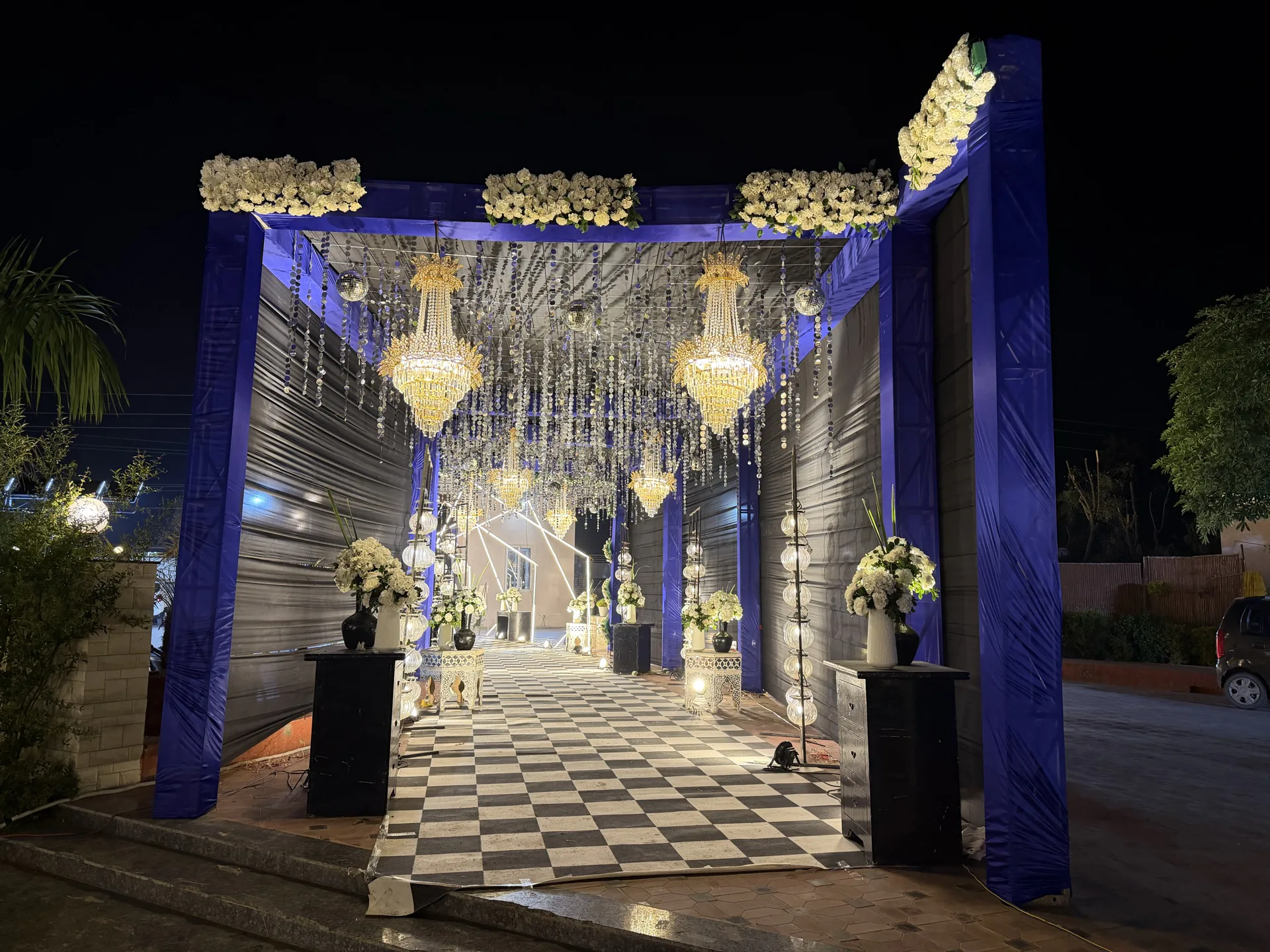
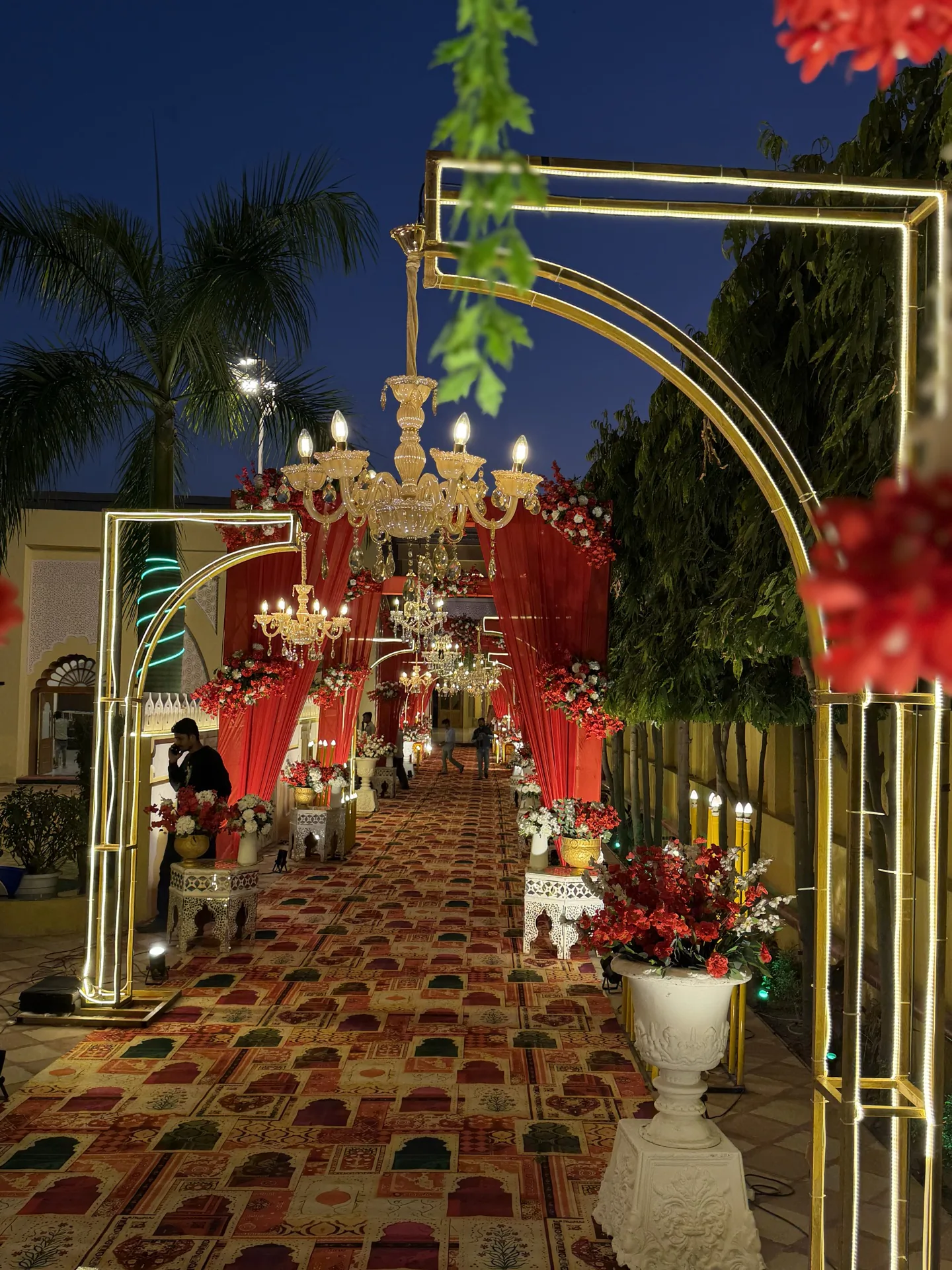
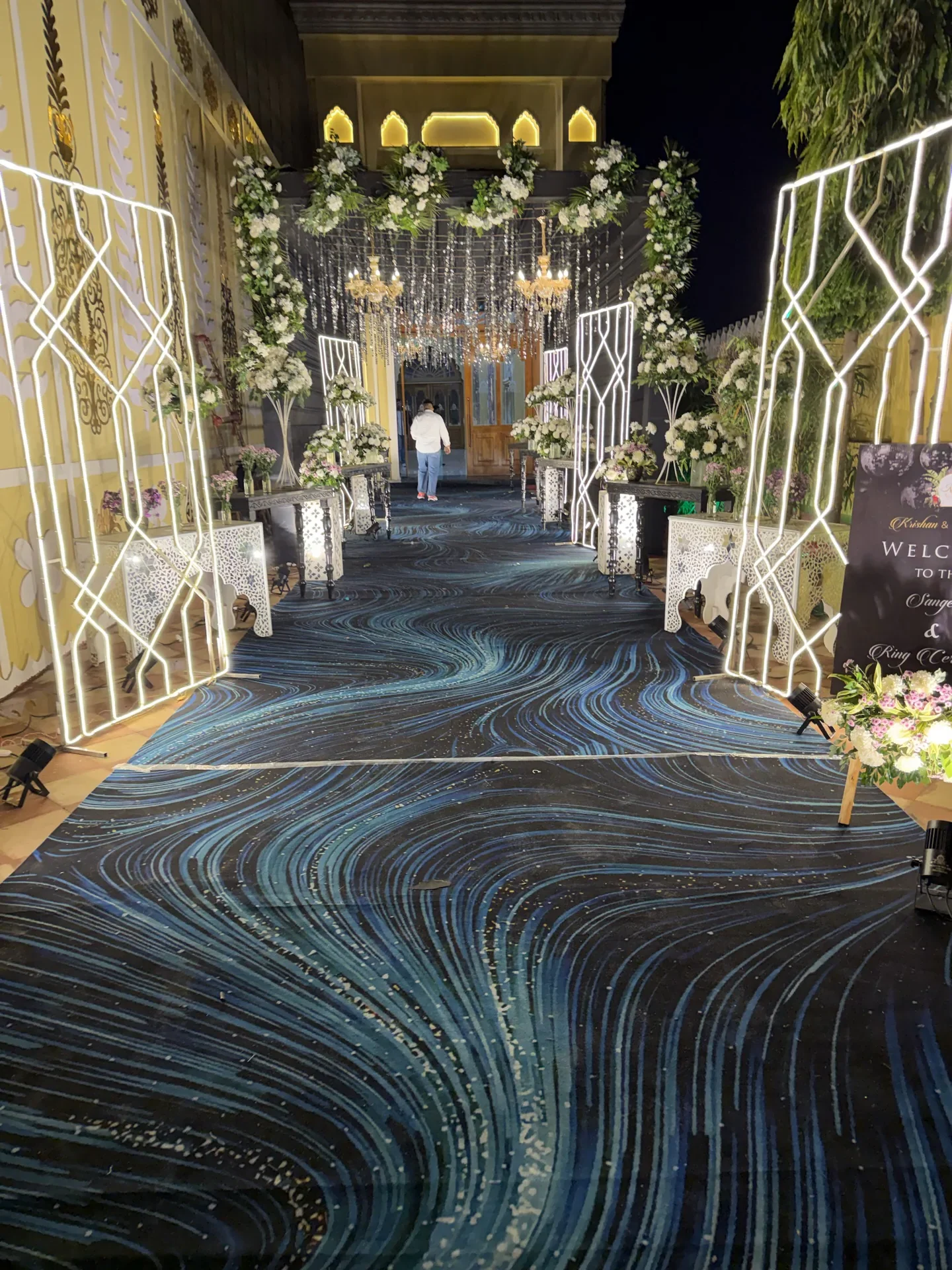
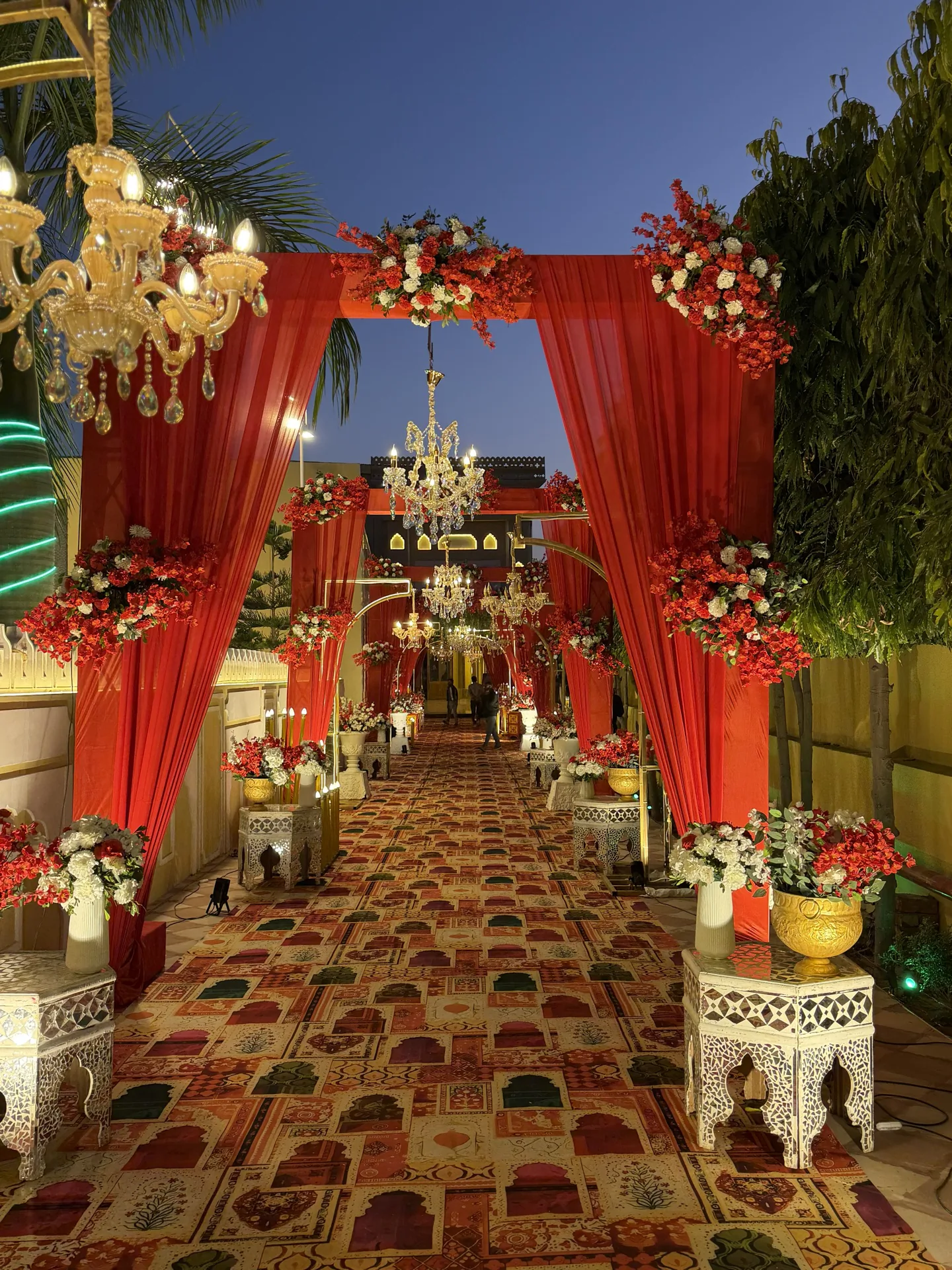
Harika Bagh is on this shortlist not as a heritage palace but as a modern venue that carries Rajasthani hospitality values forward. As a wedding resort in Jaipur, it offers banquet and lawn spaces for 200 to 500 guests with contemporary infrastructure: the kind of reliable power, modern kitchens, and climate control that older heritage properties often struggle with.
The Rajasthani element here is in the hospitality, not the walls. Traditional Rajasthani cuisine prepared with care, family-style warmth in service, and a cultural sensitivity to how Rajasthani wedding functions actually work, that is what Harika Bagh brings to this shortlist. For families who love the idea of a Rajasthani palace wedding but need modern logistics and city-accessible location, this is the venue that resolves that tension honestly.
Rajasthani Wedding Elements Worth Evaluating
When shortlisting a Rajasthani palace style venue, use these cultural elements as practical selection criteria rather than just inspiration:
Meenakari and mirror-mosaic settings. Venues like Samode Palace have genuine meenakari and Sheesh Mahal interiors that function as ceremony backdrops. Others would need to bring in decorators to create that effect. Knowing the difference affects both budget and authenticity.
Peacock motifs and gilt interiors. Traditional Rajasthani palace architecture features peacock carvings, gilt plasterwork, and painted ceilings. Rambagh and Raj Palace carry these natively. Modern builds like Fairmont reference the style without the antique depth.
Ghoomar and Kalbeliya performances. Most Jaipur palace venues can arrange traditional Rajasthani dance performances, but the setting affects how they land. A Ghoomar performance in a 300-year-old darbar hall at Chomu feels different from the same performance in a hotel ballroom.
Elephant and horse processions. Baraat processions with elephants or decorated horses need specific venue infrastructure: wide entry paths, animal staging areas, and often municipal permissions. Rambagh and Raj Palace have well-established procession routes. Fort venues and smaller havelis may require more coordination.
Marigold torans and brocade draping. Traditional Rajasthani wedding decoration uses marigold garland torans, brocade fabric drapes, and brass and copper accents. Heritage venues with existing architectural detail need less external decoration. Newer builds may require more investment in decor to achieve the same effect.
How to Choose the Right Rajasthani Palace Venue
The decision comes down to three practical questions:
How deep does the Rajasthani heritage need to go? If the building itself must be centuries old and carry genuine architectural elements, the shortlist narrows to Samode, Chomu, Rambagh, and Raj Palace. If Rajasthani style in a modern format works, Fairmont and Harika Bagh open up.
What scale does the event need? Intimate Rajasthani celebrations (under 300 guests) work best at Samode or Raj Palace. Mid-range events (300 to 600) fit Chomu and Diggi. Large-scale celebrations (500+) need Fairmont or Rambagh.
Is this a destination wedding or a local celebration? Destination weddings benefit from venues with stay capacity and self-contained event infrastructure. Samode, Chomu, and Rambagh handle destination logistics well. Local Jaipur celebrations can use more centrally accessible venues like Diggi, Harika Bagh, or Fairmont.
Couples exploring Rajasthani weddings outside Jaipur should also compare the options in the guide to destination wedding resorts in Rajasthan.
Conclusion
A Rajasthani palace wedding is only as authentic as the venue delivering it. Samode Palace offers the deepest heritage with 475 years of meenakari and Sheesh Mahal settings. Rambagh Palace provides the most recognized royal Rajasthani identity. Chomu Palace brings 300 years of traditional darbar hall character. Fairmont Jaipur scales the Rajasthani style to modern capacity. And Harika Bagh offers Rajasthani hospitality values in a venue that actually runs on modern infrastructure. Shortlist by cultural depth first, then narrow by guest count and logistics.
Your dream wedding awaits. Request a proposal today. Inquire Now on WhatsApp
FAQ
Which palace-style venues offer a true Rajasthani wedding experience?
For families who want the grandeur of a palace-style celebration without the logistical complexity of a heritage property, Harika Bagh in Jagatpura is the most practical starting point, with two AC banquet halls, two gardens, luxury rooms, and indoor-outdoor flexibility — all within 15 minutes of Jaipur city centre. Among the heritage venues, Samode Palace offers the deepest Rajasthani experience with 475 years of meenakari work and Sheesh Mahal settings, Rambagh Palace provides the most recognized royal identity with Mughal gardens and gilt interiors, Chomu Palace delivers 300 years of darbar hall character, and Raj Palace offers regal outdoor Rajasthani celebrations across four distinct garden zones. Diggi Palace and Fairmont Jaipur round out the options for large-scale events.
What makes a Rajasthani palace wedding different from other luxury weddings?
The difference is cultural substance. A Rajasthani palace wedding includes architectural elements like meenakari work, mirror-mosaic Sheesh Mahal settings, and jharokha facades. It features cultural performances such as Ghoomar and Kalbeliya dance, classical Rajasthani music, and elephant or horse baraat processions. The hospitality follows Rajasthani traditions of warmth and generosity. A generic luxury wedding happens to be expensive; a Rajasthani palace wedding is rooted in a specific cultural identity.
How much does a Rajasthani palace-style wedding typically cost?
Costs vary significantly by venue tier and event scale. Heritage palace venues operate at the premium end of the market for events of 500 to 1000 guests. Mid-range heritage options are more accessible for celebrations of 300 to 600 guests. Modern palace-style venues with resort infrastructure, like Harika Bagh, offer competitive pricing with stronger event support and on-site guest accommodation. Seasonal demand during October through February peak wedding season pushes rates higher across all tiers. Request venue-specific quotes with your guest count and event format for accurate comparisons.
Can I host all wedding functions at one Rajasthani-style venue?
Yes. Multi-function wedding schedules — mehendi, sangeet, pheras, and reception spread across two or three days — work best at venues with multiple event spaces on a single property. Harika Bagh handles this well with two banquet halls and two lawns, so each function gets its own setup without overlap. Heritage palaces with multiple courtyards can also accommodate this, though logistics tend to be more involved.
What is the best season for a Rajasthani palace-style wedding?
October through February is the peak wedding season in Jaipur. The weather is comfortable for outdoor ceremonies, and the golden-hour light complements Rajasthani architecture beautifully. March and September are shoulder months that offer slightly lower rates with reasonable weather. Avoid the monsoon months of July and August for outdoor-heavy palace wedding formats.