Reviewed by Roshan Sharma, Harika Bagh (events and venue selection).
For a mehndi ceremony in Jaipur, start with The LaLiT Jaipur, Clarks Amer, Harika Bagh, ITC Rajputana and Fairmont Jaipur. They offer different starting points: a courtyard explicitly marketed for mehendi, smaller hotel rooms, gardens with indoor options, a city hotel setting, or a residential wedding property. The right choice depends on how comfortably guests and artists can sit through the function, not just how the backdrop looks.
Book a space with usable shade, supportive seating, room for the artists to work and an indoor alternative reserved for your group. A lawn’s wedding capacity does not tell you whether it can accommodate a seated mehndi layout. For the other functions around it, our guide to wedding events in Jaipur explains how each event changes the venue brief.
Our Methodology
We reviewed the venues’ own event and wedding pages for specific spaces, indoor alternatives, food service and accommodation. The LaLiT and Clarks Amer explicitly name mehendi uses; the other entries are candidates to discuss with their event teams. We assessed the published layouts against a daytime ceremony brief rather than assigning unverifiable ratings.
Our selection criteria are light and shade, comfortable artist seating, access to refreshments and toilets, a workable weather fallback, and the journey between the function and guests’ rooms. We have not independently inspected these properties for this article or run a mehndi at each of them. A website can establish that a room exists; it cannot confirm the shade at your ceremony time or availability on your date.
Disclosure: Harika Bagh operates this website and its own venue appears in this shortlist. We apply the same booking questions to our property. The order is a way to compare different settings, not a paid ranking or a claim that one venue suits every family. The photographs on this page show Harika Bagh only.
Compare the Five Venue Options
| Venue | Area | Reason to consider it | Main detail to confirm |
|---|---|---|---|
| The LaLiT Jaipur | Jagatpura Road, near Jawahar Circle | Central Courtyard explicitly listed for mehendi | Shade, exclusivity and artist layout in the courtyard |
| Clarks Amer | JLN Marg, Durgapura | Jal Mahal named for smaller mehendi gatherings | Working capacity after artist stations are added |
| Harika Bagh | Jagatpura | Gardens, banquet halls and accommodation on one property | Exact shaded area and indoor space included in your booking |
| ITC Rajputana | Palace Road | Open-air Hawa Mahal and indoor event options | Which space fits your guest list and afternoon timing |
| Fairmont Jaipur | Kukas | Multiple event settings within a residential wedding property | A proportionate room and the total function commitment |
1. The LaLiT Jaipur for a Courtyard Mehndi
The LaLiT gives this shortlist one of its clearest matches. Its official event page specifically describes the Central Courtyard as a setting for Mehendi functions, ring ceremonies and other wedding gatherings. It places the courtyard among the lobby, restaurants and guest rooms, with a water feature as part of the setting.
That makes it worth viewing when you want an outdoor feel within a hotel. The ceremony can have a defined backdrop without starting from an empty lawn. Ask to see an actual mehndi floor plan, including the artists’ chairs, guest seating and food service, rather than accepting a photograph from a standing reception.
The important trade-off is privacy. A courtyard surrounded by hotel activity may have circulation routes that remain in use. Establish which part becomes exclusive to your event, where other guests can walk, and whether music or a backdrop is restricted near rooms. Also inspect the position of the water feature relative to children and service routes.
The same official page lists the Crystal Ballroom and adjacent Party Lawn. Those are useful alternatives to discuss, but their existence does not reserve a backup for you. Ask the hotel to name the fallback space in the proposal and explain how the artist stations would move there if the weather changes.
2. Clarks Amer for a Smaller Indoor Gathering
Clarks Amer’s destination wedding page explicitly recommends Jal Mahal for mehendi celebrations, bridal showers and intimate family brunches. Its banquet chart lists Jal Mahal at 50 in cluster seating. Treat that as a published layout figure, not a promise that 50 guests plus artists, decor and food counters will fit your plan.
This is a useful starting point if the mehndi guest list is much smaller than the wedding list. A room chosen for the actual gathering can make conversation and food service easier than spreading the same family across a large lawn. It also gives you a way to compare an indoor mehndi with the outdoor version before committing to either.
Ask the event team to draw the artist stations into the plan first. An artist needs a stable working position opposite the guest, with space for supplies and support for the hand or foot being decorated. Dining chairs around full tables may leave less working space than the capacity chart suggests.
Clarks also publishes lawns and a poolside event option. If you prefer one of those, check the shade arrangements and the indoor room available at the same time. A larger outdoor setting is a different booking decision from Jal Mahal; do not assume the same minimum spend, furniture or backup applies.
3. Harika Bagh for a Mehndi Within a Multi-Function Stay
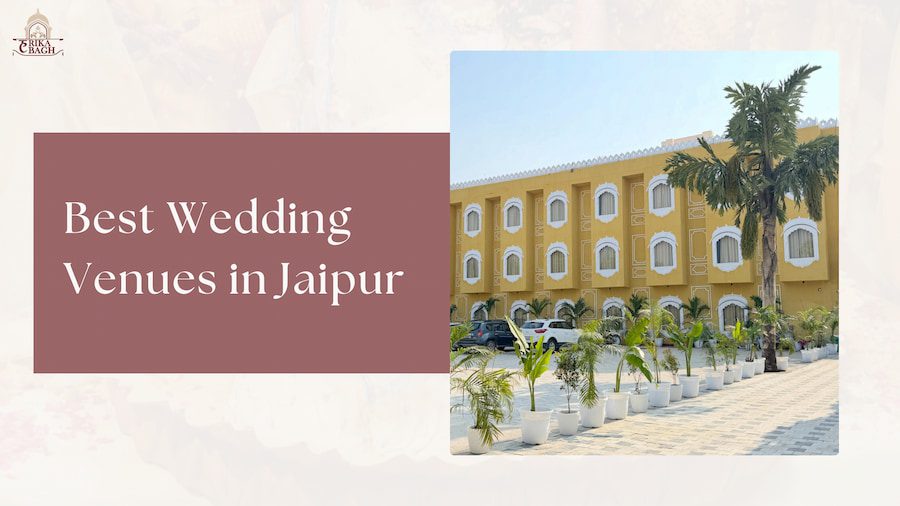
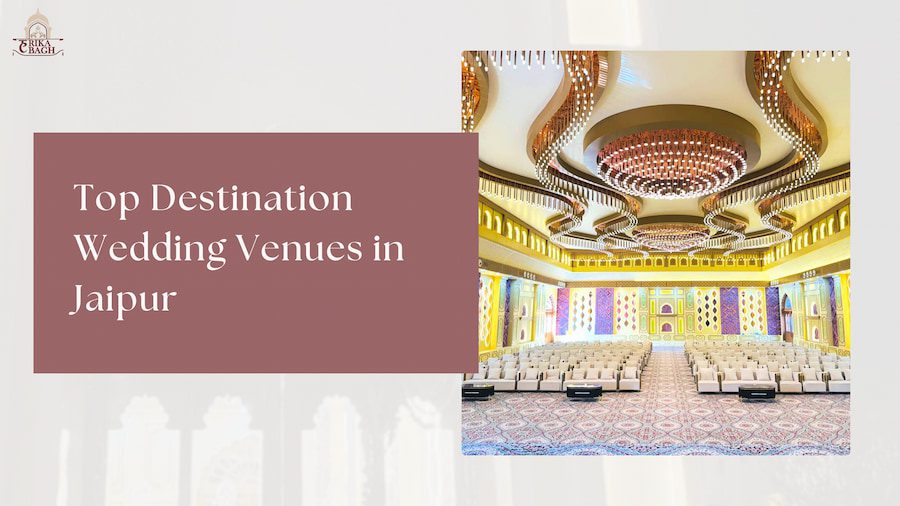
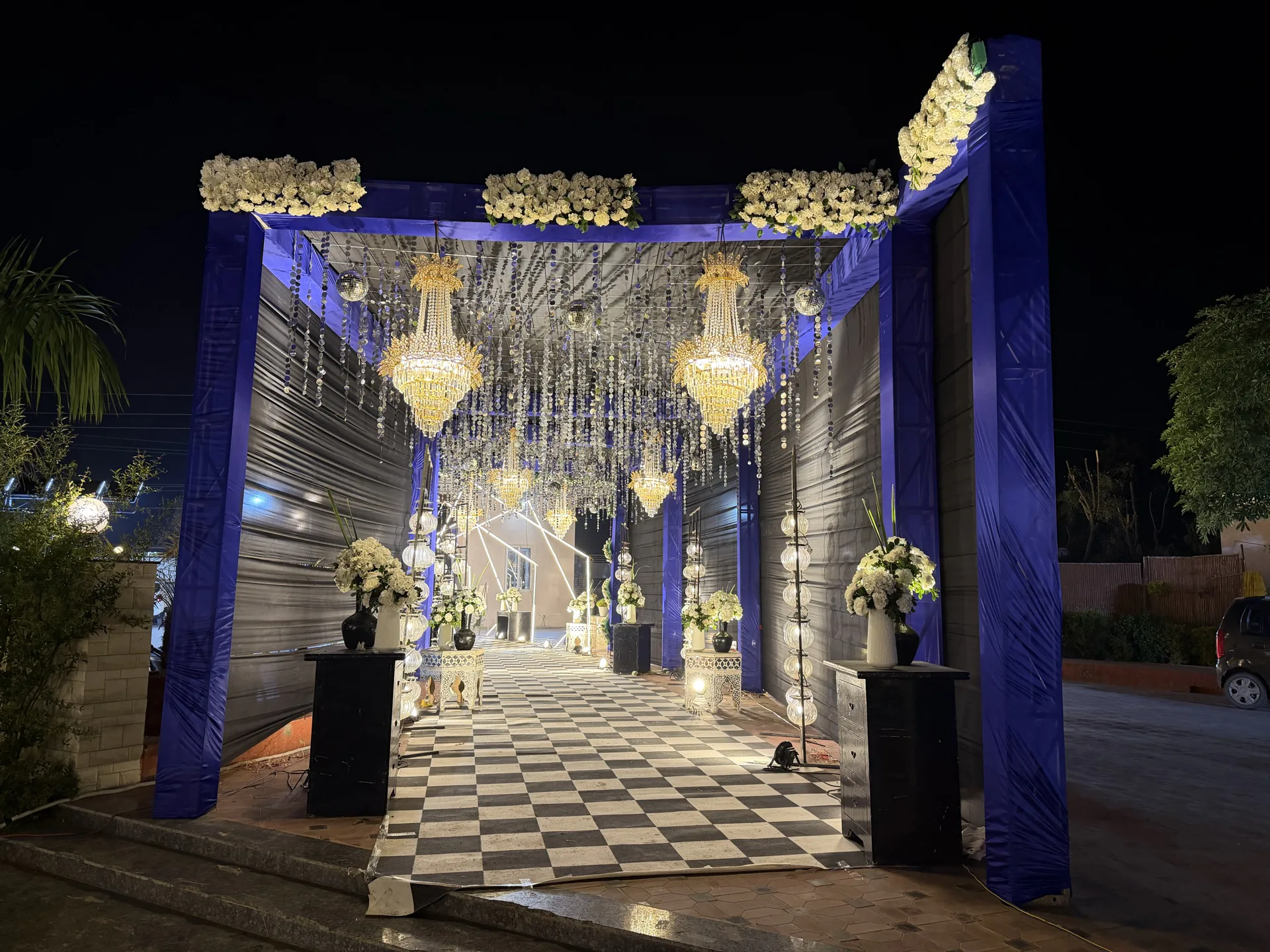
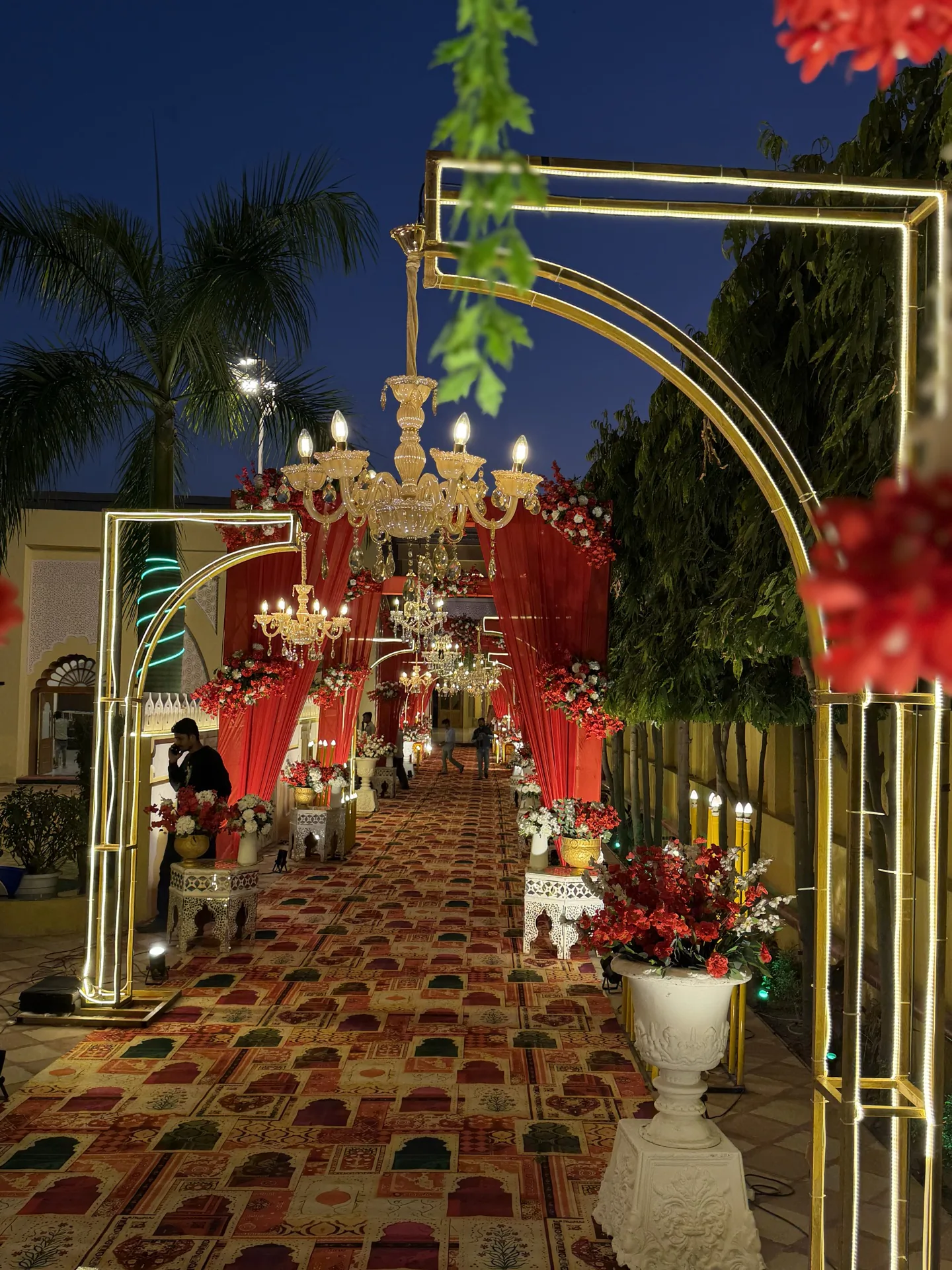
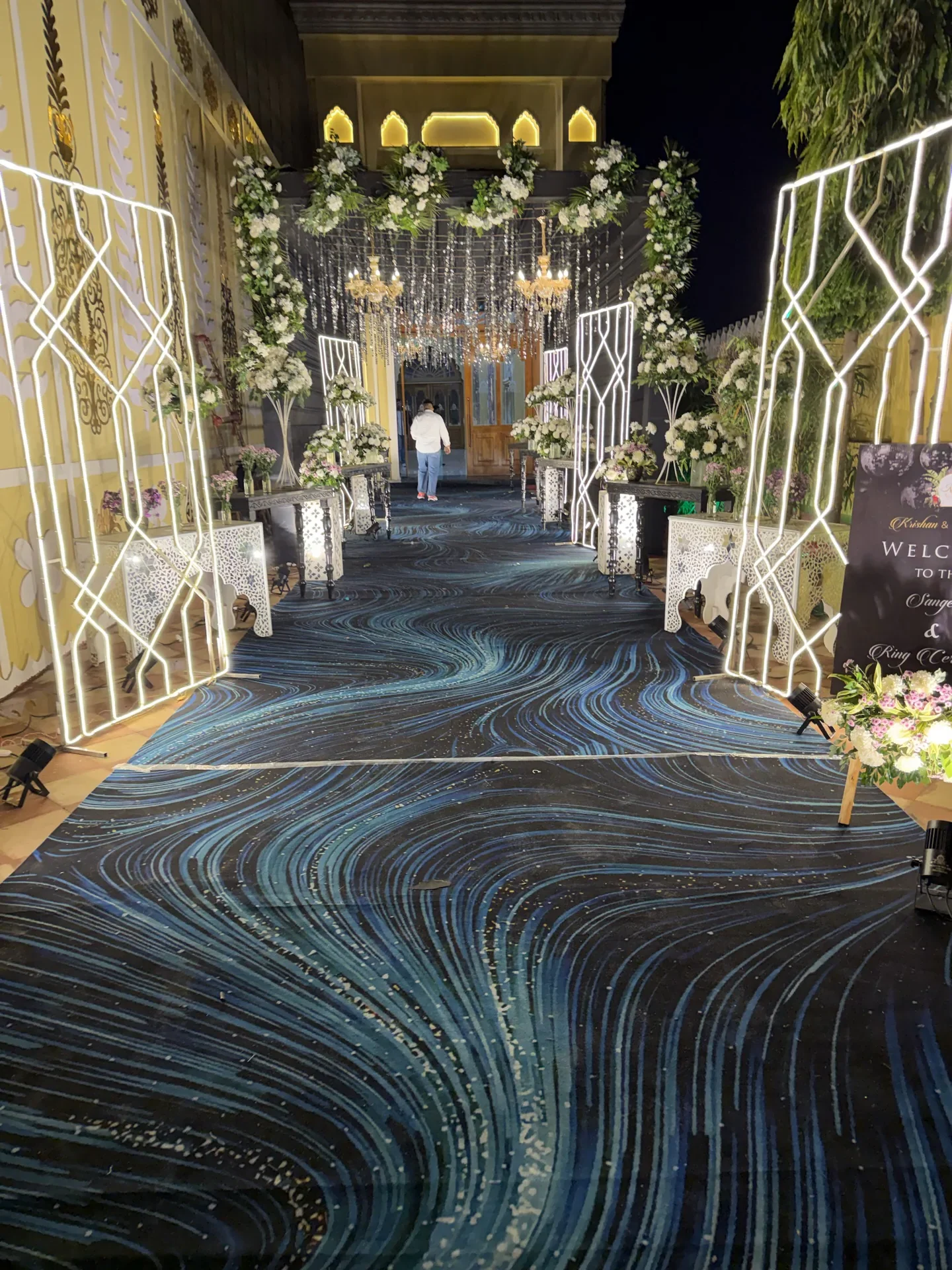
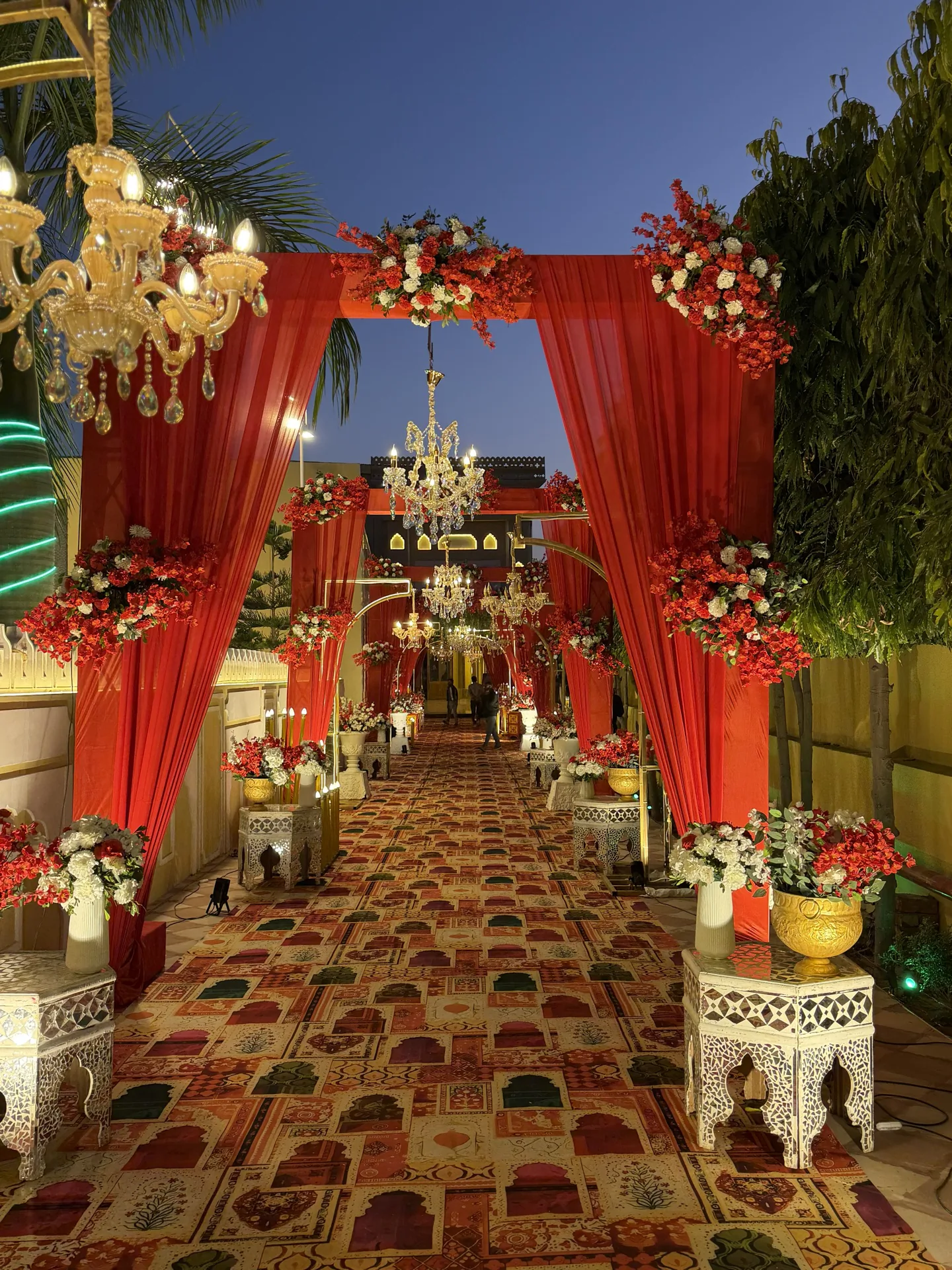
Harika Bagh in Jagatpura lists gardens, banquet halls, guest accommodation, in-house catering support, parking and power backup on its current website. For a mehndi, the useful combination is having outdoor and indoor spaces to discuss alongside rooms for the family. It can reduce the need to move everyone between a daytime function and an evening event elsewhere.
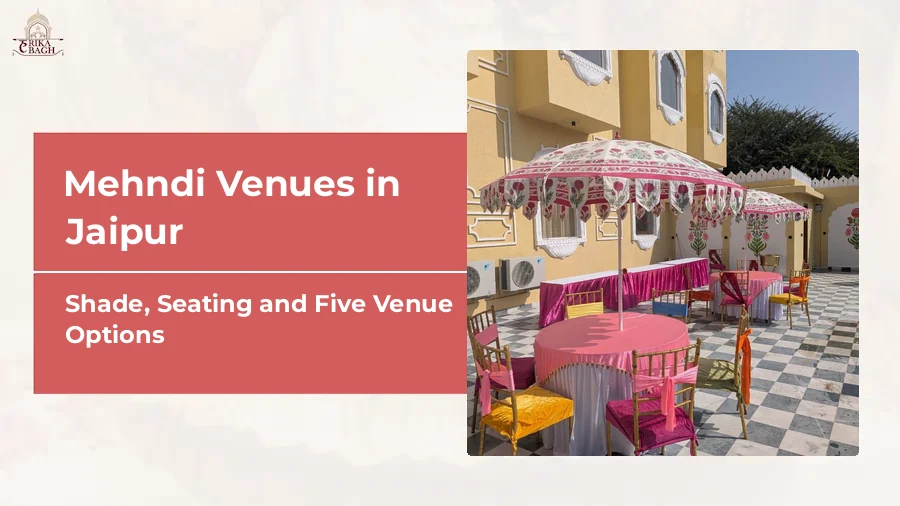
Start the venue visit in the space proposed for the artists. Check where the shade falls, whether the tables and chairs are suitable for detailed work, and how guests reach refreshments without squeezing past occupied stations. A decorative umbrella is helpful only if its shade covers the working area for the relevant part of the day.
Ask our team to specify the garden area, the indoor alternative and the accommodation included in your quote. The presence of several spaces on a property does not mean every space is exclusive to one booking. Guest count, furniture, setup access and the route between functions should be agreed together.
For a small family mehndi, room proportion matters as much as the property’s overall size. For a larger gathering, the bottleneck may be the artists rather than the venue. Share the number of guests having henna applied as well as the total attendance, so the proposed layout can account for both groups.
4. ITC Rajputana for a City Hotel Setting
ITC Rajputana’s Meetings and Socials page describes Hawa Mahal as an open-air venue with a pre-set stage and customisable decor. It also lists indoor spaces, including the divisible Suryavanshi Mahal. These give families a way to compare outdoor character with an enclosed room at the same property.
The reason to consider it for mehndi is the choice of setting, especially when a city hotel already suits your accommodation and travel plans. Its public event descriptions establish the available formats; they do not establish a particular mehndi package or the furniture an artist would need. Request that ceremony-specific information directly.
Do not let a stage become the centre of the brief unless your programme needs one. Most of the useful action at a mehndi happens at seated height. Ask whether artist stations can sit in good light with enough space for guests to chat alongside them, while music and any performances remain visible without dominating the room.
The indoor alternative needs the same scrutiny. If you are offered part of a divisible hall, check the entrance, food service area and sound from the adjoining section. For a quiet afternoon gathering, those practical details can matter more than the name or scale of the ballroom.
5. Fairmont Jaipur for a Residential Wedding Programme
Fairmont Jaipur’s official wedding page lists a range of event spaces, from larger ballrooms to intimate settings, and describes wedding packages that can include accommodation and catering. Its Kukas location makes it worth considering when the family plans to stay at the property for several functions.
The strongest reason to investigate it is continuity. If guests are already staying there, a mehndi becomes part of the residential programme rather than another transfer. That benefit is smaller if most people will travel across Jaipur just for the afternoon, so map the guest journey before falling in love with the setting.
Ask for a space proportionate to the mehndi group. A property’s grand wedding room may be far larger than the area you need for artists and family seating. Request a daylight visit or a current video of the proposed room at the intended time, including any terrace or outdoor section offered with it.
Discuss the mehndi as a separately specified function even when it sits inside a wedding package. Establish the access hours, meal service, furniture, indoor fallback and any extra charges. The package description on a website is a starting point for an enquiry, not confirmation that your preferred setup is included.
Choose the Setting Around the Time of Day
A mehndi can work indoors, in a courtyard or on a lawn. The decision starts with the date and ceremony hours. Visit at roughly the time guests will be seated, because an attractive space at sunset may have very different conditions at lunchtime. If you are viewing in a different season, ask the venue how the sun position and weather affect the proposed setup.
Gardens and lawns
A garden gives you room to arrange seating in smaller groups, but shade needs to cover people as well as the main backdrop. Check the artists’ positions, the waiting area and seats for older relatives. Ask how any canopy is secured, what the venue permits, and who takes responsibility for installation.
Walk the route from the entrance to the seats in the shoes guests are likely to wear. Uneven grass, loose gravel or a raised edge can change how easily someone reaches the function. Our lawn wedding venue guide helps compare the outdoor format; the mehndi decision still depends on the seated layout.
Courtyards and terraces
These can create a contained gathering, but surrounding walls do not guarantee shade throughout the afternoon. Check sun exposure, air movement and any reflected glare. On a terrace, ask about lift access and the indoor room guests will use if the weather changes. Do not treat a nearby public restaurant as an agreed event backup.
Indoor halls
An indoor room is a sensible choice when reliable comfort matters most. Look for controllable lighting and enough brightness at the working tables. Strong decorative uplighting can make the room look attractive while leaving the artist’s hands in shadow. If you are comparing enclosed spaces, use our AC banquet halls in Jaipur guide alongside the ceremony plan.
Build the Seating Plan Around the Artists
Before comparing venue capacities, ask the henna team how many people they can serve during your chosen window. Bridal work, simple guest designs and feet application require different amounts of time. Obtain estimates from the artists you are actually booking rather than using a universal minutes-per-person figure.
For example, if 36 guests want designs and three artists are working, each artist has 12 guests to serve on average. That arithmetic does not predict the finish time. Design choice, breaks, late arrivals and separate bridal work still matter. Use it to begin a realistic conversation about artist numbers and appointment windows.
Divide the floor plan into the working area, nearby waiting seats and general family seating. The working area should have stable chairs, suitable tables or supports agreed with the artists, adequate light and space for supplies. Keep the photographer’s route out of the main service aisle so neither person repeatedly interrupts the other.
Low seating can look lovely, but it should be an option. Provide chairs with backs for guests who find floor seating uncomfortable, and let the artists check the height of their stations. Ask where bags, phones and drinks can rest while hands are occupied. Small side tables often solve more problems than additional decorative cushions.
Avoid placing everyone in one long queue. A simple appointment order or a family coordinator can call people when a station is free. Keep the guest list flexible enough for elders, children and anyone who needs assistance, without requiring the bride to manage the schedule during her own application.
Plan Food Service for Guests With Occupied Hands
A self-service buffet alone may be inconvenient while guests have fresh henna on both hands. Discuss assisted service near the seating, manageable portions and drinks that can be placed safely within reach. Confirm that staff can help without crossing through an artist’s working position.
Put refreshments where people can reach them before their turn as well as afterwards. Guests accompanying someone for a long appointment need ordinary seating and food access too. Keep drinking water available, and ask the caterer to explain how food will be held and replenished during the function rather than leaving every dish out from the start.
Check dietary requirements in advance and make sure the service team can identify the correct dishes. Agree where used plates and glasses go, so artist tables do not become clearing stations. These are modest planning choices, but they keep a relaxed function from feeling disorganised.
Coordinate Mehndi With the Rest of the Wedding
Work backwards from the next event the bride or groom needs to attend. Leave time for the artist’s aftercare instructions, food, rest, dressing and travel. If the same day includes a sangeet, compare the actual gaps in the schedule with the setup and rehearsal needs in our sangeet venue guide.
Treat the bride’s application as its own appointment. It may need a quieter corner and a different start time from guest henna. Ask whether close family can sit nearby without filling the working space, and give the photographer the agreed timing rather than expecting the artist to stop repeatedly for group pictures.
If mehndi and haldi share a property, plan them as different room setups. Haldi brings surface protection, washing and cleanup questions that do not belong in the middle of an artist station. Our haldi ceremony venue guide covers those requirements. Ask who resets each space and when the next team receives access.
Test the Floor Plan During the Venue Visit
Take the proposed layout with you and follow one guest’s journey from arrival to departure. Start at the drop-off point, find the welcome desk, walk to the waiting seats, then try the route to an artist station and the nearest toilet. Repeat the route for someone using a walking aid or needing a companion. Ask the venue to resolve any difficult section before adding more decor.
Sit in the actual chair proposed for the guest and ask the artist to review a photograph of the station. Check whether knees, tables and supplies fit without blocking the aisle. Look at the lighting from both sides of the chair, because the brightest position for the photographer may create glare for the artist.
Next, trace the service route from the kitchen or buffet to the occupied seats. Staff should have somewhere to place and clear refreshments without reaching across fresh henna. Confirm where the family coordinator will wait and how guests will know when their turn is approaching. A simple printed sequence can work better than repeated announcements over the music.
Finish by asking the venue to show you the backup layout. The same guest journey should still work indoors, including the artist stations and food service. If the backup requires fewer stations or different furniture, settle that change while there is time to adjust the booking.
What the Venue Quote Should Include
Request an itemised proposal for the actual mehndi, even if it is bundled with the wedding. Separate the event space and access hours from catering, furniture, shade, lighting, decor, artist charges and accommodation. This makes it easier to compare a hotel proposal with a garden venue without assuming their inclusions match.
Confirm whether outside artists can enter freely, whether the decorator must come from an approved list, and whether vendor meals or setup access cost extra. Ask about minimum guest billing, taxes, overtime, cancellation terms and the payment schedule. A low headline figure is difficult to compare if the basic shade and furniture are priced separately.
Before paying a deposit, get clear answers to these questions:
- Which exact space is reserved, and is it exclusive during setup and the function?
- How many artist stations and comfortable guest seats fit in the approved layout?
- What shade or indoor fallback is included for the same hours?
- Who supplies the artist tables, chairs, lighting and power connections?
- How will food and drinks reach guests while their hands are occupied?
- Are toilets and changing rooms easy to reach without steps or long detours?
- What happens if the function runs late or the weather changes?
- Who is the venue contact responsible for the agreed setup on the day?
Ask for the layout and inclusions in writing. A photo from another family’s mehndi is useful inspiration, but it does not define your booking.
Conclusion
Choose a mehndi venue by the experience of the people sitting in it. The LaLiT and Clarks Amer have explicit mehendi references on their own pages; Harika Bagh, ITC Rajputana and Fairmont offer other layouts worth discussing against your guest list and travel plans. In every case, verify the specific space, shade, artist seating and backup before booking.
Planning a mehndi ceremony in Jaipur?
Share your date, guest count and mehndi plans. Our team will help you review the daytime setup and availability at Harika Bagh.
Enquire on WhatsAppFAQs
Which Jaipur venues explicitly mention mehendi functions?
The LaLiT Jaipur lists its Central Courtyard for Mehendi functions, while Clarks Amer names Jal Mahal for mehendi celebrations on its wedding page. These references support an enquiry, but availability, capacity for your layout and package inclusions still need confirmation.
Is an indoor or outdoor venue better for mehndi?
An outdoor venue works when the working area and guest seating have reliable shade and a reserved weather fallback. An indoor venue gives more control over comfort and lighting. Choose by your date, time and guests’ needs rather than the venue category alone.
How many mehndi artists should we book?
Ask your chosen artists for a schedule based on guest numbers, design complexity, bridal work and the available hours. Venue capacity is not a useful substitute for that estimate. Then make sure the room has space for the agreed number of stations.
Can a small mehndi take place in a hotel room for events?
Yes, a smaller event room can suit a family mehndi if the hotel approves the use and layout. Confirm artist access, seating, lighting, food service and any restrictions. A guest bedroom and a bookable function room have different rules, so specify which one is being offered.
What should we ask about mehndi venue prices?
Ask for the total cost of the space, meal service, shade, furniture, decor, artist arrangements and backup room, including taxes and minimum billing. There is no verified single price that applies across these five venues or across different wedding dates.